



































A Dual-SIM Phone Does Not Necessarily Have Two Card Slots
Separate physical SIM support, eSIM support and the combinations of active lines when comparing a smartphone model.
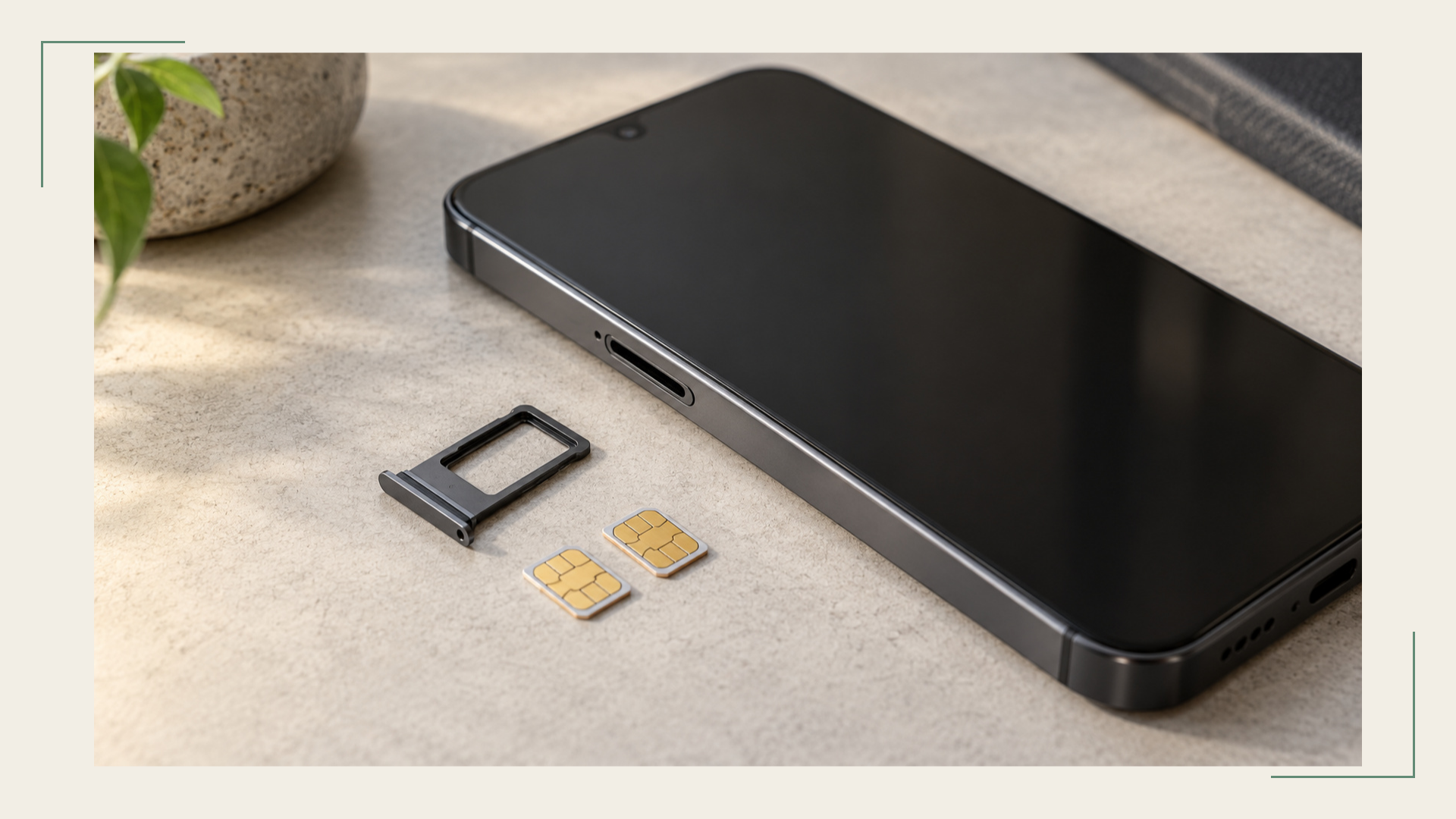
“Dual SIM” is a useful label, but I would not use it as a complete description of a phone. A buyer with two existing plastic SIM cards may be asking a different question from a traveller who wants to download another mobile plan. Before choosing stock, I would spell out which of those arrangements the intended user needs. For the person bringing two cards to the shop, the location of the second card matters rather more than the label on the shelf.
There is somewhere to insert a physical SIM: a tray or a slot in the handset. With an eSIM, the supported phone instead uses the provider's digital SIM profile, without another plastic card being inserted. I would therefore ask about the physical positions separately from eSIM support. Reading Apple's Dual SIM instructions, I can find supported combinations involving a physical SIM and an eSIM, or two eSIMs. Google's Pixel guidance also ties the available combination to the device and carrier. Neither document would tell me how many physical cards fit an unrelated model in a supplier's quotation.
If the buyer needed to insert two cards, I would want the card-tray detail for the offered version, with the specification beside it. For an eSIM option, I would want to know which active-line combinations the particular version supports. The number of profiles that can be stored is a different question from the number of lines that can be active. I would put those questions on separate lines in my comparison notes, leaving a blank where the supplier had not yet confirmed an answer rather than filling it from a similar-looking handset.
There is a further distinction once the lines are set up: choosing a number for calls is not the same thing as combining mobile data connections. In the iPhone instructions, Apple describes mobile data being used through one network at a time. Google's Pixel instructions provide separate preferences for calls, messages and data, with one default data SIM. These details make me reluctant to describe a dual-SIM phone as having “double internet speed.” Any claim about connection behaviour needs support for that model and its intended network arrangement.
For a buyer planning separate business and personal lines, I would ask what should happen when a call comes in on the other number during an existing call. I would check that particular behaviour in the manufacturer's instructions and with the intended carriers. The answer can depend on the phone, settings and network features. Two numbers visible in a settings menu would not, on their own, answer the call-handling question. For a sample evaluation, I would record the model version, software version, carriers and settings used alongside the observed result.
I would keep the retail description close to what had actually been established. If the offered version supported one physical SIM with an eSIM, that is what the listing would say, with carrier availability to be checked. If two physical cards were essential to the customer's plan, I would not substitute an eSIM arrangement simply because it also carried a dual-SIM label. The small distinction in the specification changes what someone must do with the phone after opening the box.
Share the product, specifications, quantity and destination to discuss sourcing options.