



































Feature Phone Sourcing: Specifications, Verification, and Acceptance for B2B Buyers
A practical B2B sourcing guide for feature phones, covering core specifications, regional cluster fit, verification steps, a hypothetical acceptance scenario, and a pre-order checklist.
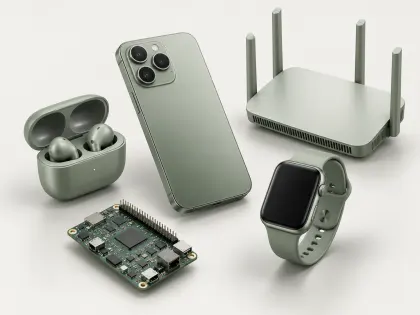
Feature phones remain a distinct sourcing category from smartphones. They are typically defined by a physical keypad, a smaller display, long standby expectations, and a focused set of functions such as calls, SMS, FM radio, torch, and sometimes basic camera or dual-SIM support. For B2B buyers, the sourcing task is less about chasing flagship specifications and more about matching a stable configuration to a defined user group, then locking down verification and acceptance terms before mass production.
Key Specifications to Define
Start with the network and SIM requirement, because this determines the baseband platform and certification path. Clarify whether the target market needs 2G only, 4G VoLTE, or dual-SIM standby. Then specify display size and resolution, keypad type (T9, QWERTY, or large-key senior layout), battery capacity class, charging interface, and whether a camera, Bluetooth, or memory card slot is required. For senior-focused models, large fonts, loud volume, SOS key, and hearing-aid compatibility may matter more than camera resolution.
Mechanical and environmental expectations should also be written into the brief: drop-test height, keypad cycle life, operating temperature range, and IP rating if the phone is intended for outdoor or industrial use. These requirements drive tooling, housing material, and sealing design, so they affect both cost and lead time.
Regional Cluster Fit
The supplied catalogue identifies several electronics clusters. Shenzhen is noted for smart devices, PCBA, and small-batch sourcing, which can suit feature phone projects that need fast prototyping or mixed-component purchasing. Dongguan is noted for SMT assembly, plastic housings, connectors, cables, and contract assembly, which maps well to feature phone production because the product combines a molded housing, a PCBA, a keypad, and a battery pack. Guzhen is a lighting cluster and is not a natural fit for feature phone sourcing. Treat these clusters as regional directories rather than verified factories; each supplier still needs independent qualification.
Verification Steps
Request a full bill of materials with manufacturer part numbers for the baseband, memory, battery cell, and display. Ask for sample units from the actual production line, not hand-built golden samples. Test network registration, call audio quality, SMS delivery, charging behavior, battery runtime under a defined script, keypad response, and drop performance. For battery packs, request the applicable test reports and confirm the cell specification; battery safety is a specialist area, so involve a qualified battery or compliance engineer rather than relying on a supplier summary. If the phone will be sold in a regulated market, confirm which radio, safety, and EMC approvals are required and who holds the certificate. Do not assume that a supplier's existing certificate covers your model, band, or market.
Hypothetical Acceptance Scenario (Illustrative Only)
Suppose a distributor orders 5,000 units of a dual-SIM 4G feature phone for a senior-user segment. The purchase order specifies a 2.4-inch display, large-key keypad, 1,500 mAh battery class, SOS key, and a defined standby target. The acceptance plan might include: a pre-production sample sign-off covering appearance, keypad layout, and packaging; an in-process check of SMT and assembly; and a final inspection using AQL sampling on function, appearance, and accessories. Functional tests would cover call setup on the required bands, audio volume, charging, and SOS behavior. Battery and charger safety documentation would be reviewed by a specialist before shipment. Any deviation in display, battery, or keypad tooling would require written approval before production. This scenario is hypothetical and does not describe a real order, supplier, or result.
Actionable Checklist
1. Write a specification sheet covering network bands, SIM configuration, display, keypad, battery class, charging interface, and optional features.
2. State the target market and confirm which approvals are required and who holds them.
3. Request the BOM with component part numbers and confirm the battery cell specification.
4. Obtain production-line samples and test network, audio, charging, battery runtime, keypad, and drop performance.
5. Agree on inspection method, sampling plan, and defect classification before production.
6. Define packaging, labeling, language, and accessory contents.
7. Confirm warranty terms, spare parts availability, and firmware update responsibility.
8. Route battery, charger, and radio compliance questions to a qualified specialist.
9. Keep a signed golden sample and limit any changes to written approval.
Feature phone sourcing rewards clear specifications and disciplined verification. The product is simple, but the variables around network support, battery safety, and market compliance are not. Define them early, verify them with evidence, and keep acceptance criteria in writing.
Share the product, specifications, quantity and destination to discuss sourcing options.